This post is also available in:
 العربية (Arabic)
Home and Residential Elevators: Enhancing Comfort with Modern Technology
Elevators, as one of humanity’s most important inventions, have revolutionized urban living and residential buildings. Today, home and residential elevators are not only used in high-rise buildings but also in villas and low-rise structures. This article explores the benefits and modern technologies of home and residential elevators.
MOBILE PHONE APP REMOTE CALL SYSTEM  MOBILE PHONE UPLOAD PICTURE FUNCTION
In order to facilitate passengers to take the elevator more safely, with the help of the elevator Internet of Things system, passengers can make a remote call through the mobile terminal call APP software (IOS or Android), to achieve the network cloud call function, to prevent the risk of passengers touching the button and being infected, and at the same time, the operation of the elevator can be monitored before taking the elevator.
INTELLIGENT FACE RECOGNITION SYSTEM Elevator floor registration system based on facial feature recognition (PCA). It includes face acquisition and registration module and terminal face recognition module. After the user registers the face brush in the management office, the data is synchronized to the elevator terminal face recognition module, which is suitable for installation outside the elevator hall or in the car, and limits the authorized users to take the elevator.
NON-CONTACT CALLING SYSTEM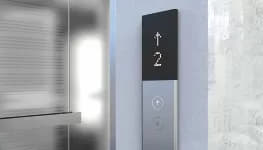
The call box panel is made of antibacterial and bacteriostatic stainless steel material, and the LED display board with white characters on black background is adopted. The non-contact button can realize the response without contact within 5mm and realize the call function.
Residential elevators come in various types, each designed to meet specific building and occupant needs. Some of the most common types include:
1.1. Traction Elevators
- These elevators use a cable and pulley system and are typically used in high-rise buildings.
- Advantages: High speed, greater weight capacity, long lifespan.
1.2. Hydraulic Elevators
- These elevators use a hydraulic system (oil pressure) to move the cabin.
- Advantages: Easy installation, lower initial cost, suitable for low-rise buildings.
1.3. Machine-Room-Less (MRL) Elevators
- These elevators eliminate the need for a separate machine room, saving space.
- Advantages: Space-saving, modern design, lower energy consumption.
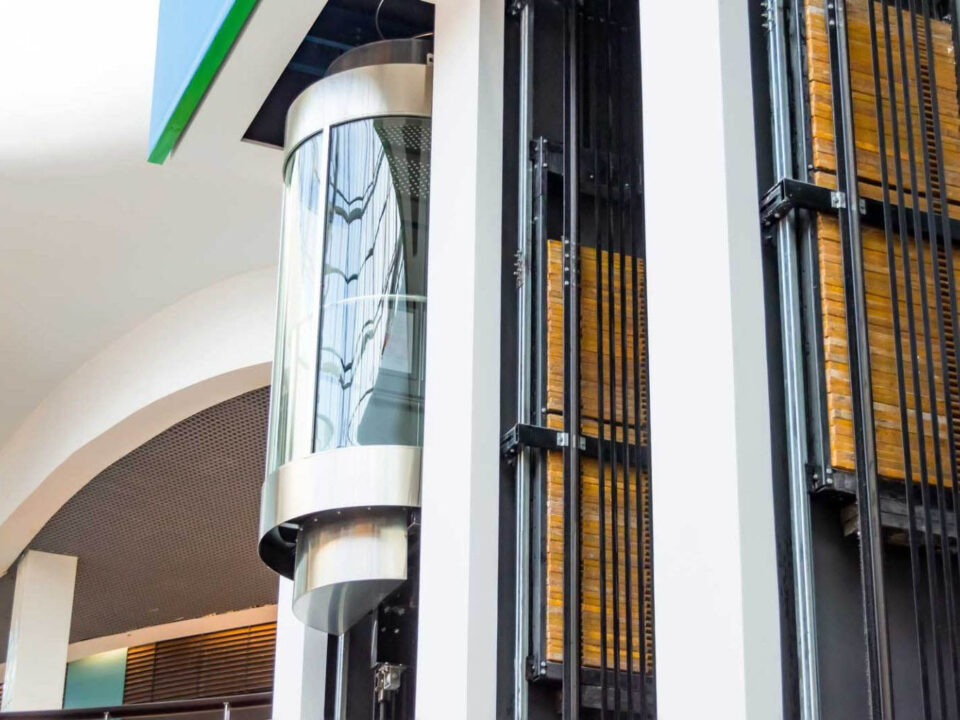
1.4. Pneumatic (Vacuum) Elevators
- These elevators use a vacuum system to move the cabin.
- Advantages: Sleek and modern design, easy installation, low energy consumption.
1.5. Home Lifts
- These elevators are designed for villas and low-rise buildings.
- Advantages: Compact size, low installation cost, ideal for elderly or disabled individuals

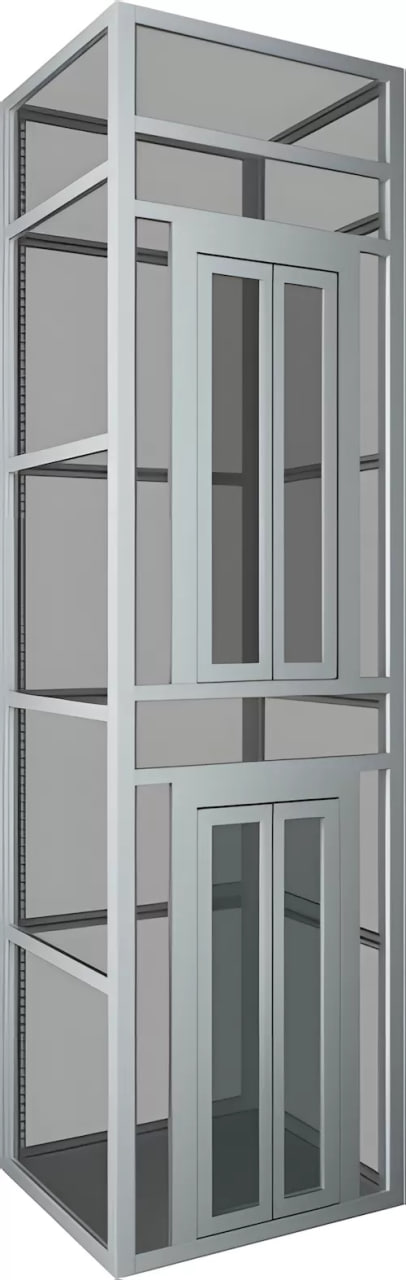
VILLA ELEVATOR SHAFT FRAME
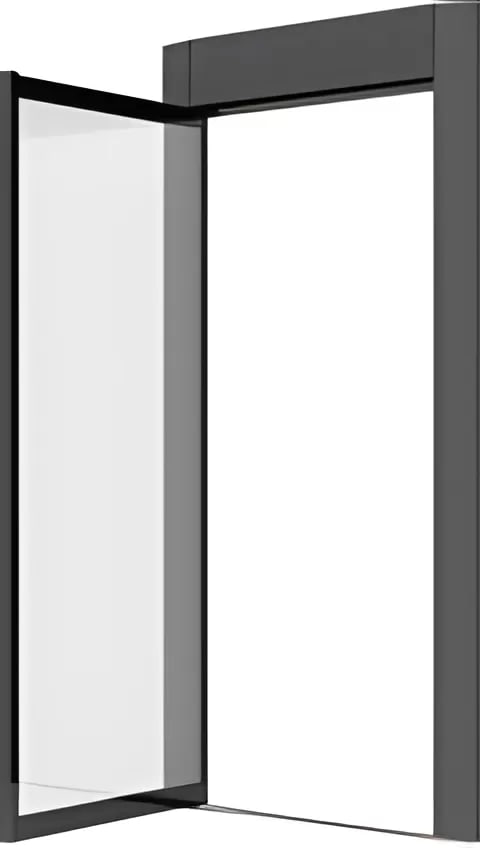
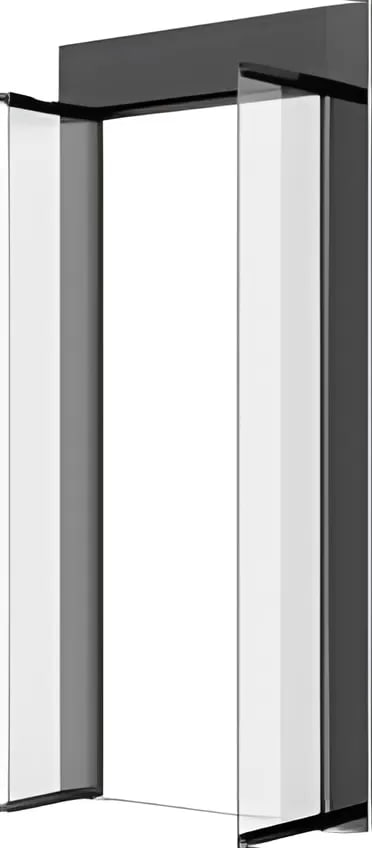
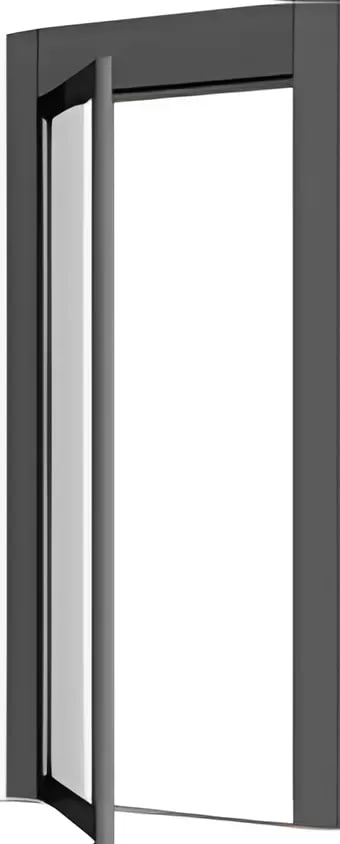
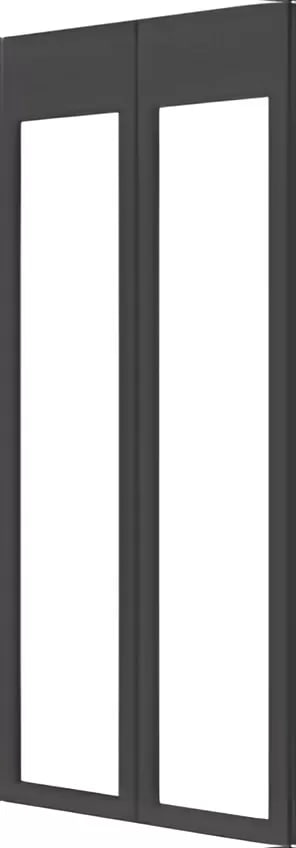


Champagen Gold White Grey
2. Advantages of Home and Residential Elevators
1. Increased Comfort and Convenience
· Elevators make moving between floors easier, especially for the elderly, children, and individuals with mobility challenges.
2. Increased Property Value
· Installing an elevator in a residential building increases its market value and appeal to potential buyers.
3. Time-Saving
· Elevators significantly reduce the time needed to move between floors, especially in high-rise buildings.
4. Modern and Stylish Design
· Modern elevators feature sleek designs and high-quality materials, enhancing the interior aesthetics of a building.
5. Cargo Transport
· Elevators are not only for transporting people but also for moving heavy items like furniture and appliances.
3. Modern Technologies in Home Elevators
1. Smart Elevators
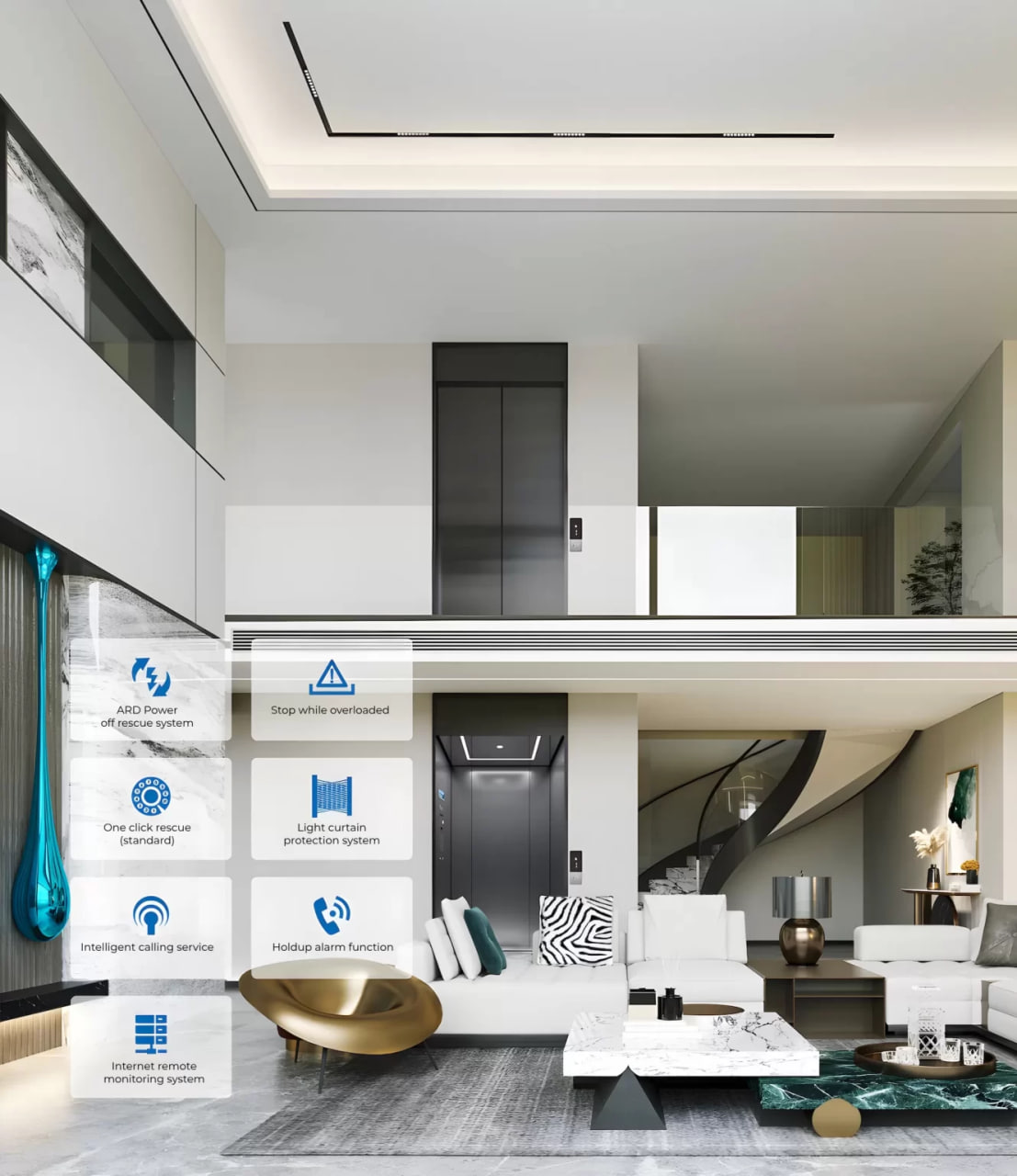
· Smart elevators use technologies like the Internet of Things (IoT) to enable remote control and monitoring.
2. Energy-Saving Systems
· Modern elevators use regenerative braking systems and other energy-saving technologies.
3. Eco-Friendly Designs
· New elevators incorporate recycled materials and energy-efficient systems to reduce environmental impact.
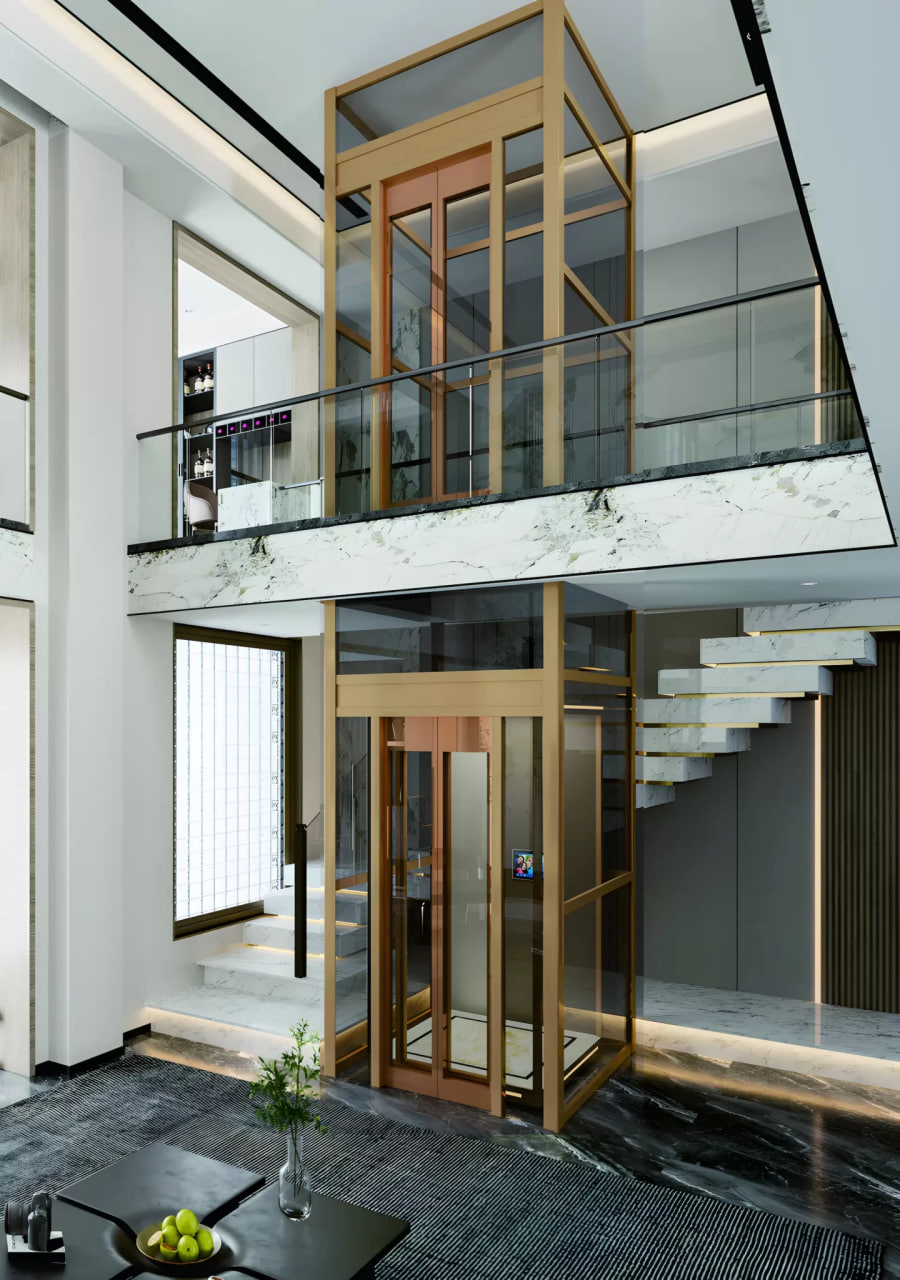
VILLA ELEVATOR
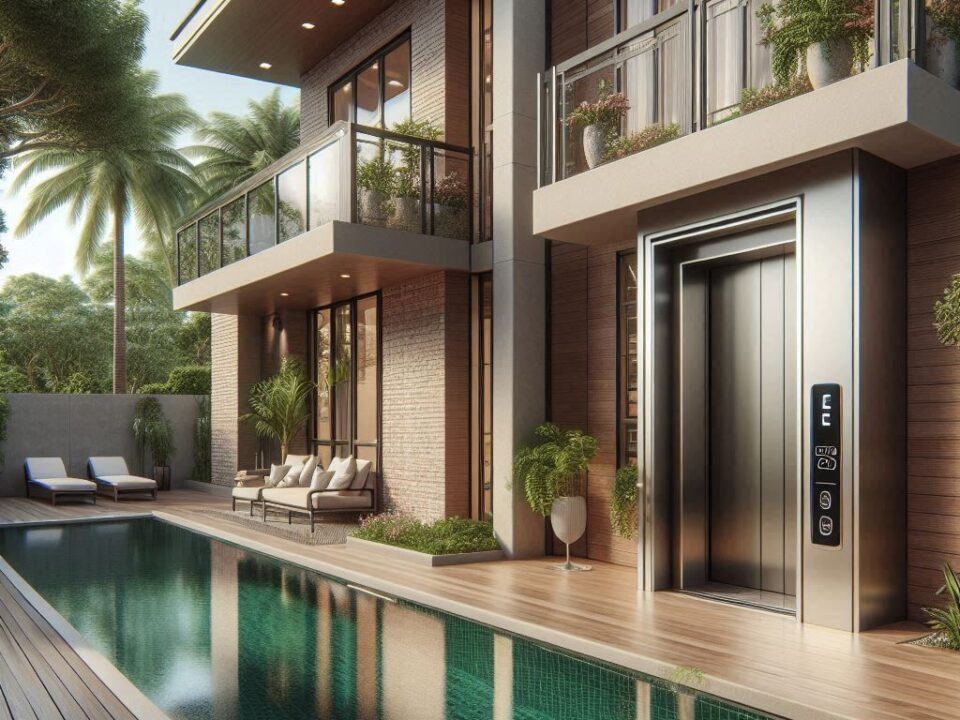
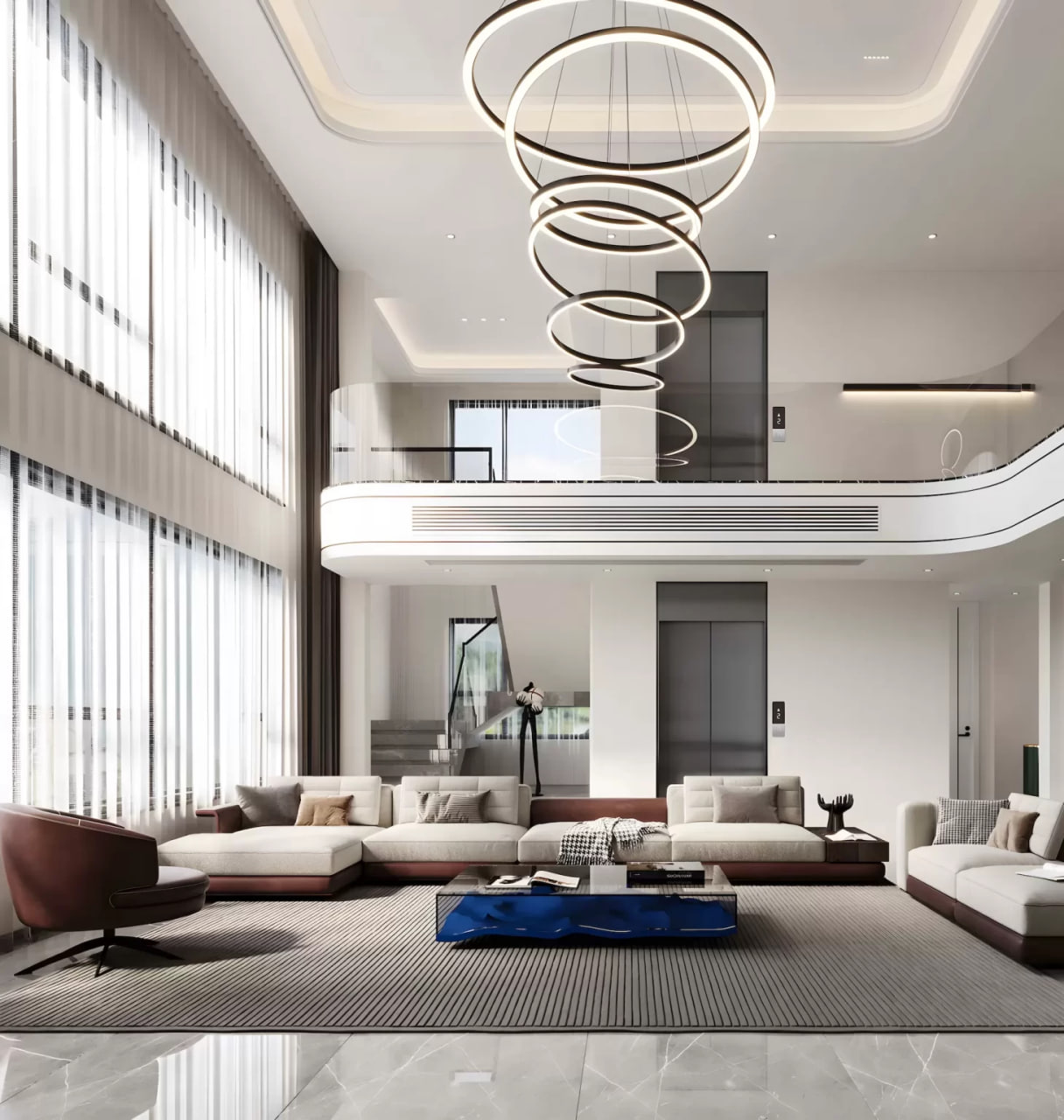
As an essential part of family space, the villa elevator enhances the quality of the interaction between different levels of the home, making the entire villa space feel more relaxed and comfortable. It fulfills the beautiful need for seamless connectivity between upper and lower levels, creating a warm, harmonious, comfortable, and convenient family space.
COMFORTABLE LIVING
WWF variable frequency drive technology and a special microcomputer control board for home elevators ensure smooth, comfortable operation with noiseless starts and stops.
GREEN ENERGY SAVING
With WWF variable frequency drive technology and a home elevator-specific microcomputer control board, the elevator operates smoothly and quietly, saving energy while providing a comfortable ride.
FLEXIBLE DESIGN
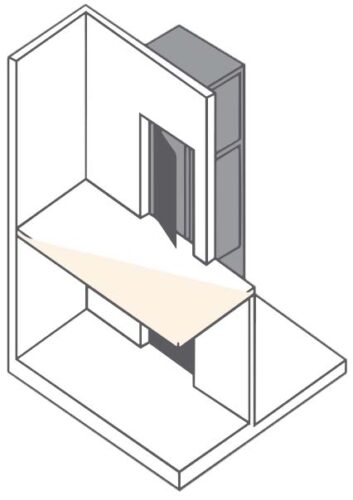
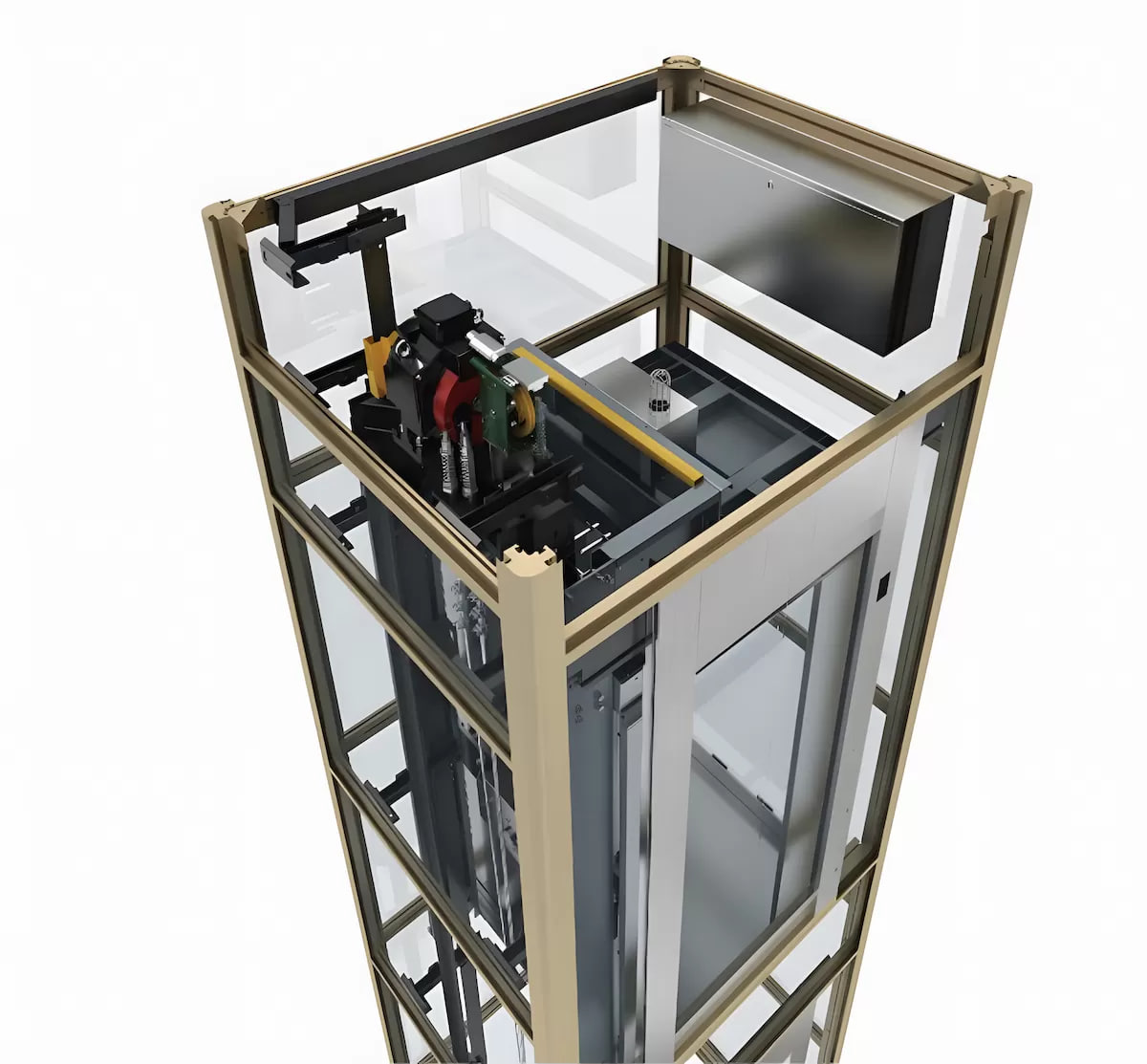
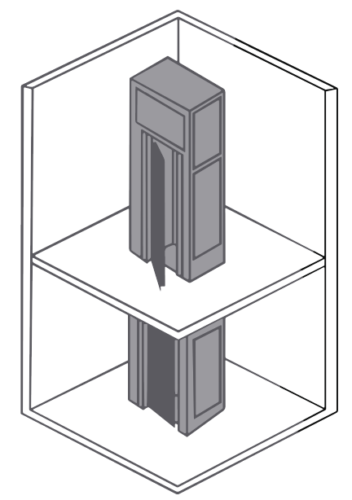
When no elevator shaft is reserved, a steel structure or aluminum alloy derrick can be chosen.
The special traction machine frame is directly fixed to the guide rails, eliminating any additional stress on the building structure.
The system can run on a 220V household power supply, meaning there is no need to apply for an additional industrial power source.
Maximized space utilization with an optional 150mm pit depth.
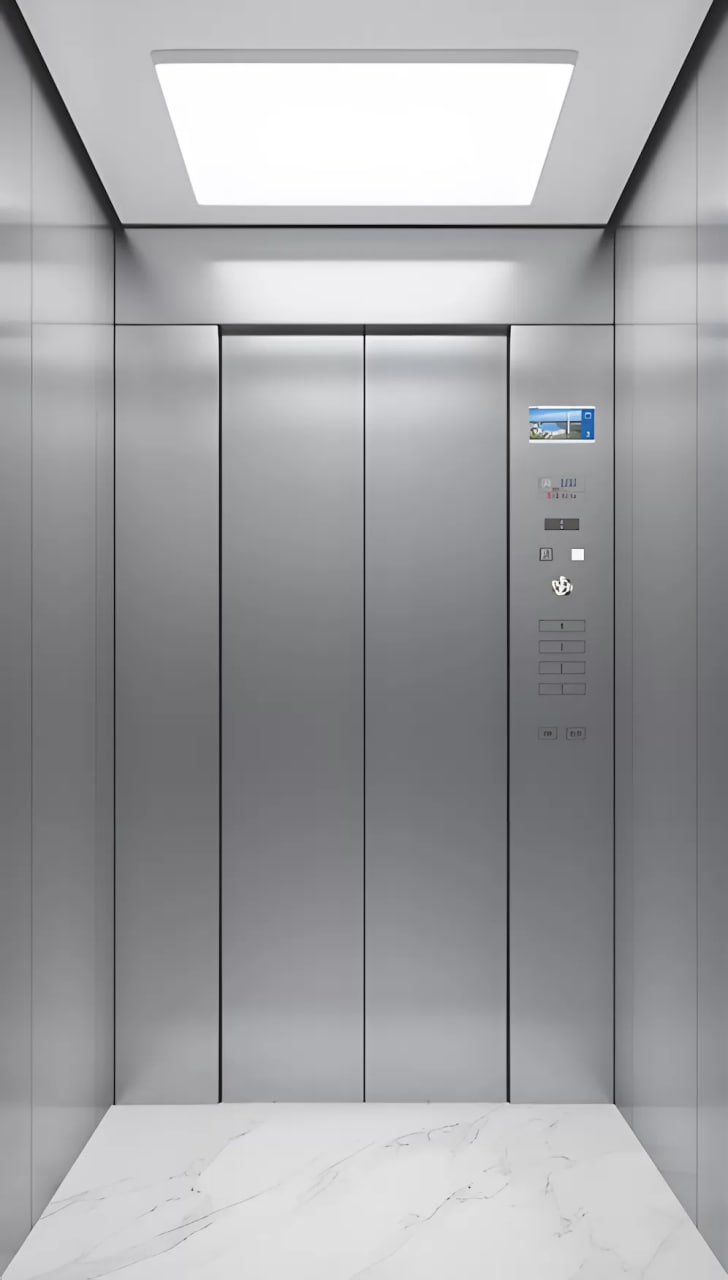
VILLA ELEVATOR STANDARD CABIN
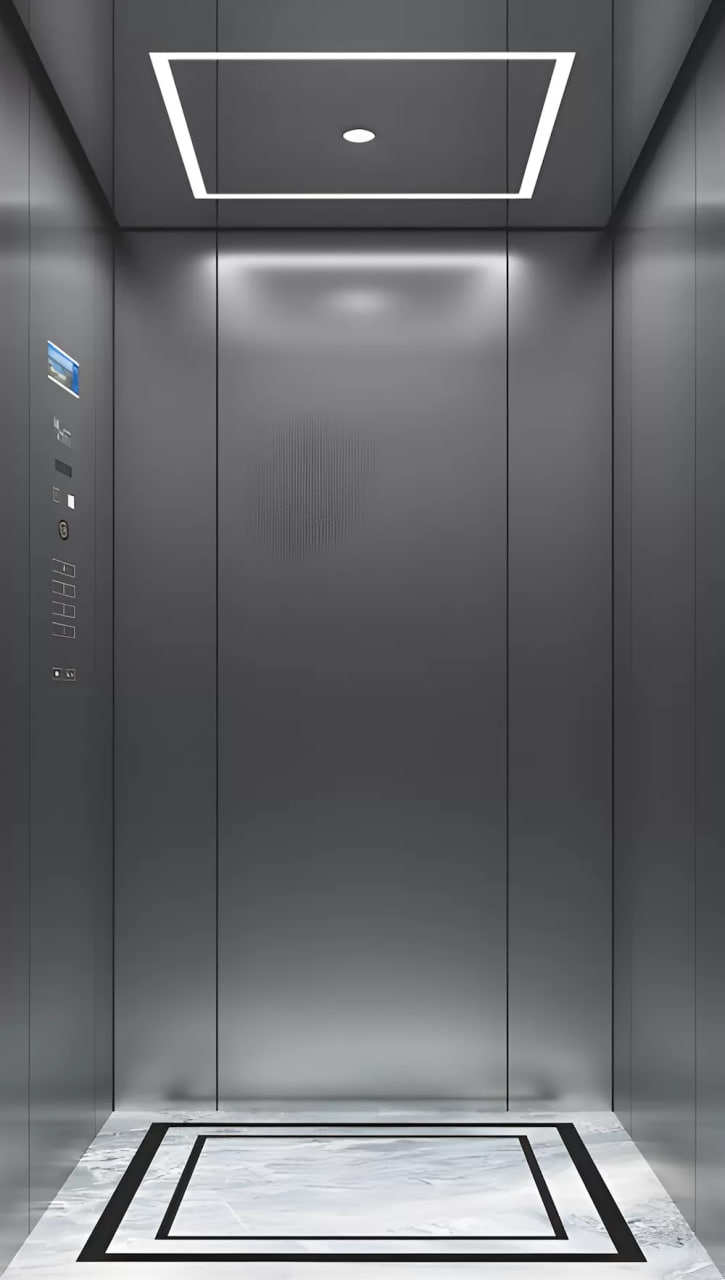


Installation Considerations for Home Elevators
1. Assessing Building Space
-
Before installation, the building’s space must be carefully evaluated to choose the most suitable elevator type.
2. Compliance with Safety Standards
-
Elevator installation must comply with local safety standards and regulations.
3. Choosing a Reputable Company
-
Selecting a reputable company for installation and maintenance is crucial.
4. Additional Costs
-
Additional costs, such as electrical work, shaft construction, and building modifications, should be considered.
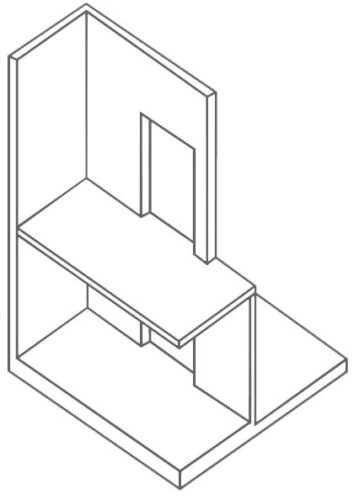
SHAFT 01
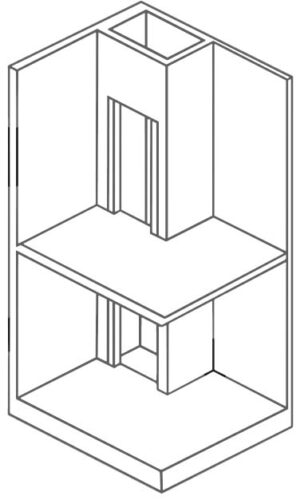
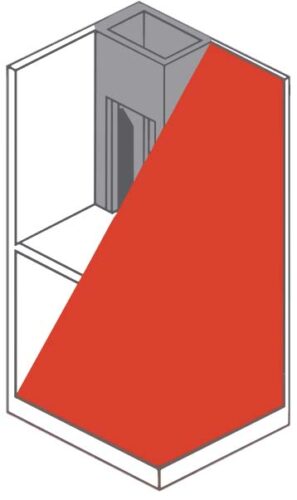
The building has shaft for elevator Elevator can be installed in the shaft directly
Spiral Staircase 02
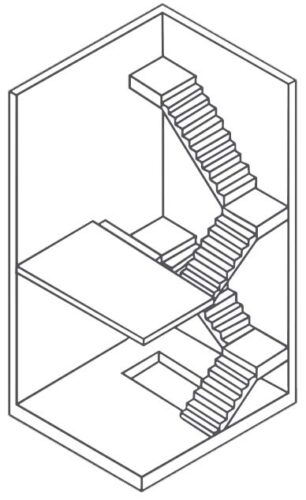
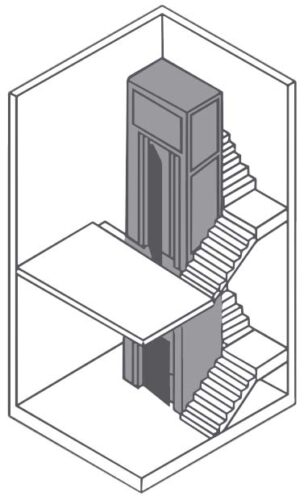
There is suitable space between the stairs Add elevator shaft in that space
Hall 03
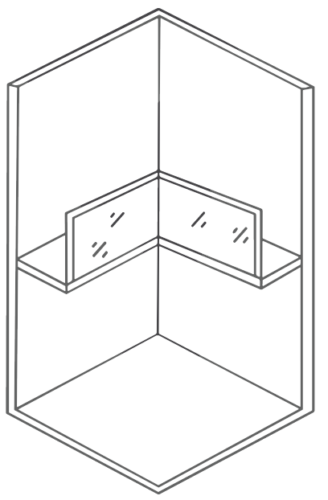
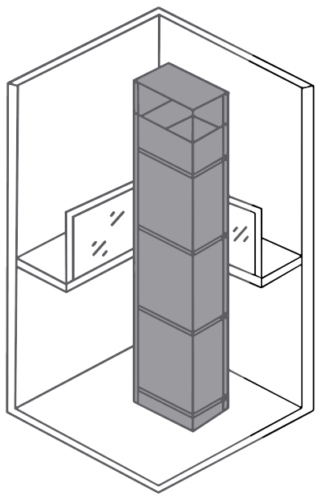 Room that has hollow space
Floor Hole 04
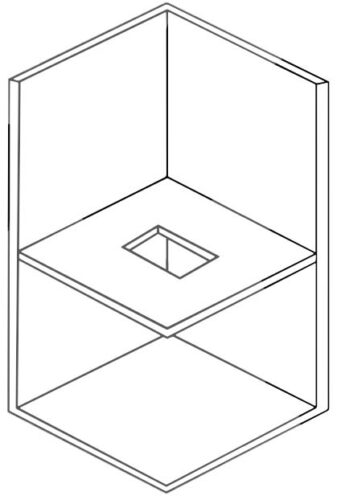
Out side 05